Uneven concrete rarely gets better on its own. Soil shifts, water intrusion, and freeze–thaw cycles keep pushing slabs out of alignment, creating trip hazards, poor drainage, and curb‑appeal issues. Calling for Concrete Leveling Repair at the right time prevents small defects from becoming structural headaches. This guide explains the early warning signs, what’s happening beneath the surface, and how a professional lift restores safety and value with minimal mess.
The Non‑Negotiable Signs You Should Act On
1) Visible Trip Hazards
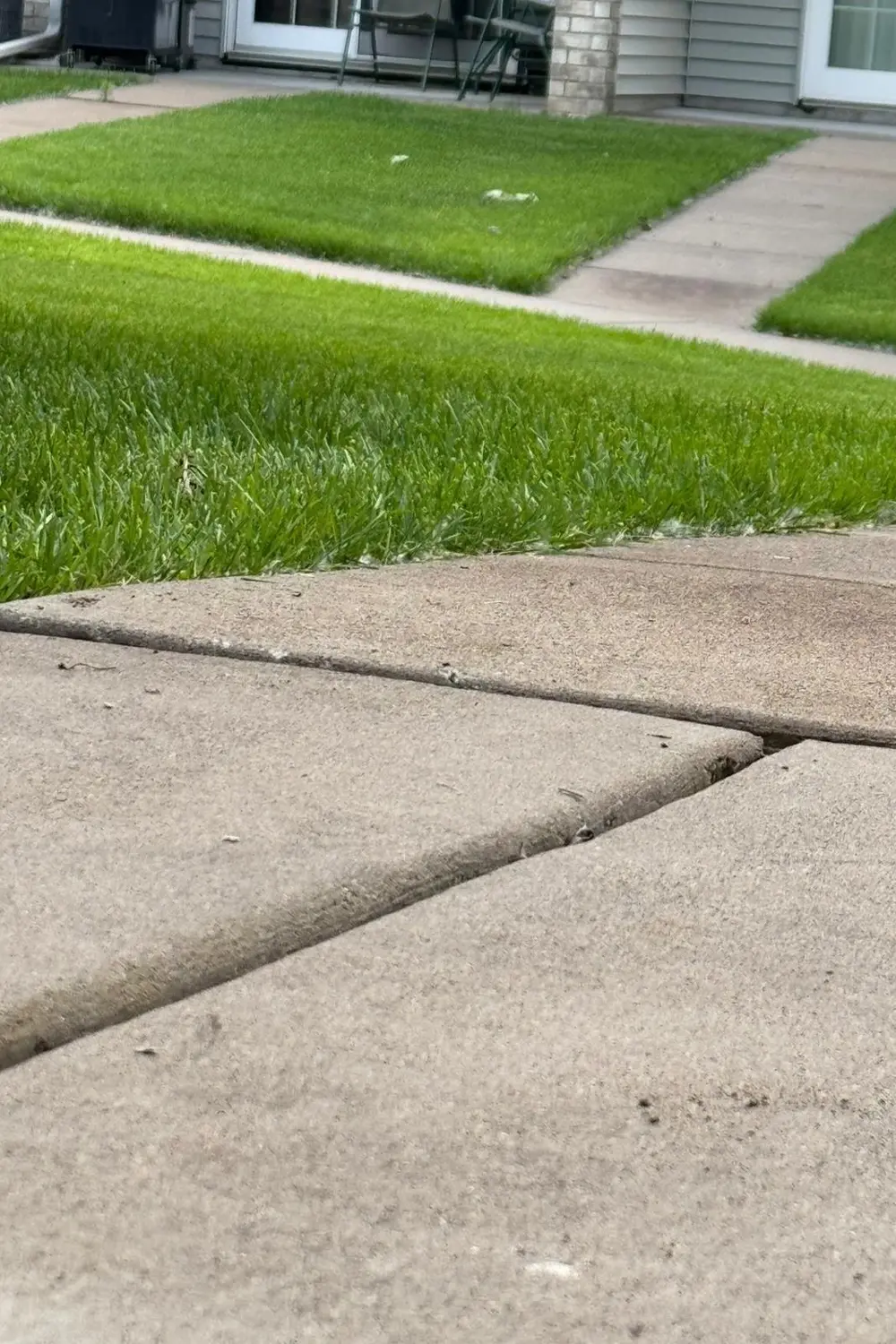
If a sidewalk section is offset by ½ inch or more, you’ve got a liability. Many municipalities define this as a trip hazard; delaying Concrete Leveling Repair raises risk.
2) Water Pooling Against the House
Ponding water near foundations is a red flag. Settlement changes drainage paths; fast Concrete Leveling Repair restores slope and helps keep moisture out of basements or crawlspaces.
3) Garage Floor or Driveway Sinking
Vehicle loads magnify weak soils. If you see a dip at the garage apron or a noticeable slope in the bay, schedule Concrete Leveling Repair before tire ruts and cracking worsen.
4) Doors and Gates Binding
Slabs that heave or settle can pinch clearances at garage doors, steps, and gates. A precise lift realigns thresholds without grinding or demolition.
5) Stair Treads Out of Code
Uneven steps create dangerous riser height variations. Correcting stair pads with Concrete Leveling Repair improves safety and comfort immediately.
What’s Really Going On Under the Slab?
- Soil erosion and washout: Downspouts, sprinklers, or poor grading transport fines, leaving voids.
- Freeze–thaw movement: Water expands when frozen, then soils settle as they thaw, cycling stress through the slab.
- Organic decay: Buried roots or topsoil layers shrink over time, undermining bearing.
- Point loading: Heavy vehicles or racks concentrate weight over weak subgrade.
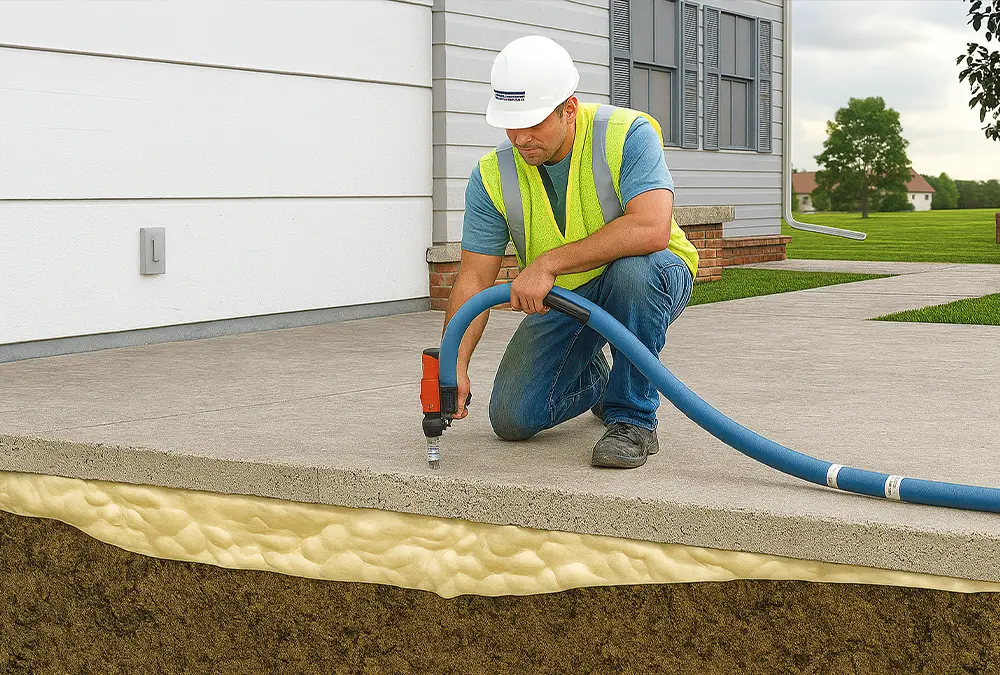
Each mechanism reduces support beneath the slab. Concrete Leveling Repair uses expanding polyurethane injections to fill voids and re‑establish uniform bearing without adding heavy mass.
Why Timing Matters (Cost, Safety, and Appearance)
Acting early keeps repairs simple: fewer ports, less foam, shorter lift times, and cleaner finishes. Wait too long and you may face cracked panels, saw‑cut replacements, or a full demo‑and‑repour. Early Concrete Leveling Repair typically costs a fraction of replacement while returning surfaces to service the same day.
Where Leveling Delivers the Biggest Wins
Driveways & Garage Aprons
Restore slope away from the house and remove that jarring “lip” at the apron.
Sidewalks & Entry Walks
Eliminate municipal trip hazards and improve accessibility, especially crucial for strollers and wheelchairs.
Patios & Pool Decks
Standing water ruins finishes and becomes a slip risk. A targeted Concrete Leveling Repair brings everything back to a smooth, safe plane.
Interior Slabs
Sinking laundry rooms or basements can force doors out of square and cause flooring failures. A precision lift avoids tearing out finishes.

How a Professional Lift Works (Step by Step)
Step 1 — Assessment & Mapping
Your crew measures offsets, checks drainage, and probes for voids. They’ll design a port grid that respects load paths and control joints to ensure even lift during Concrete Leveling Repair.
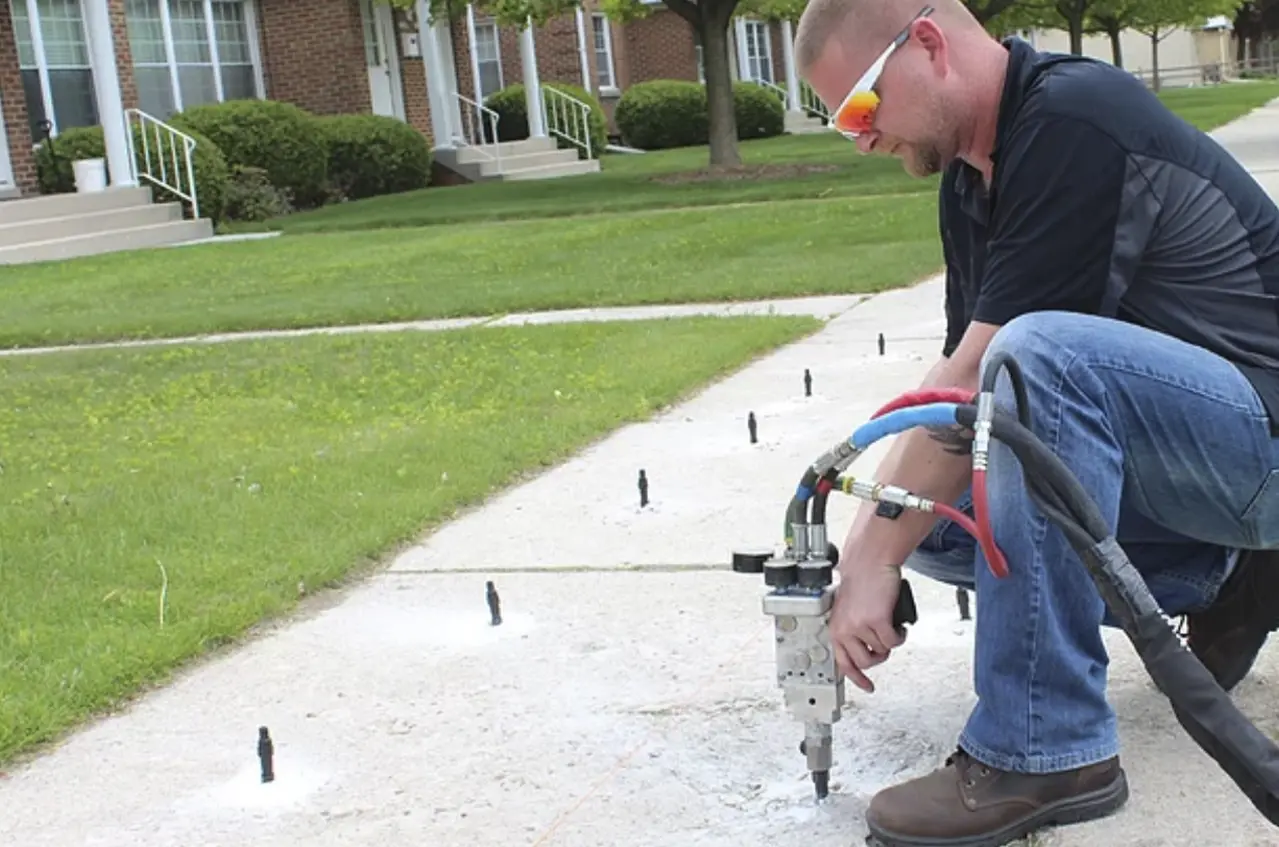
Step 2 — Small‑Port Drilling
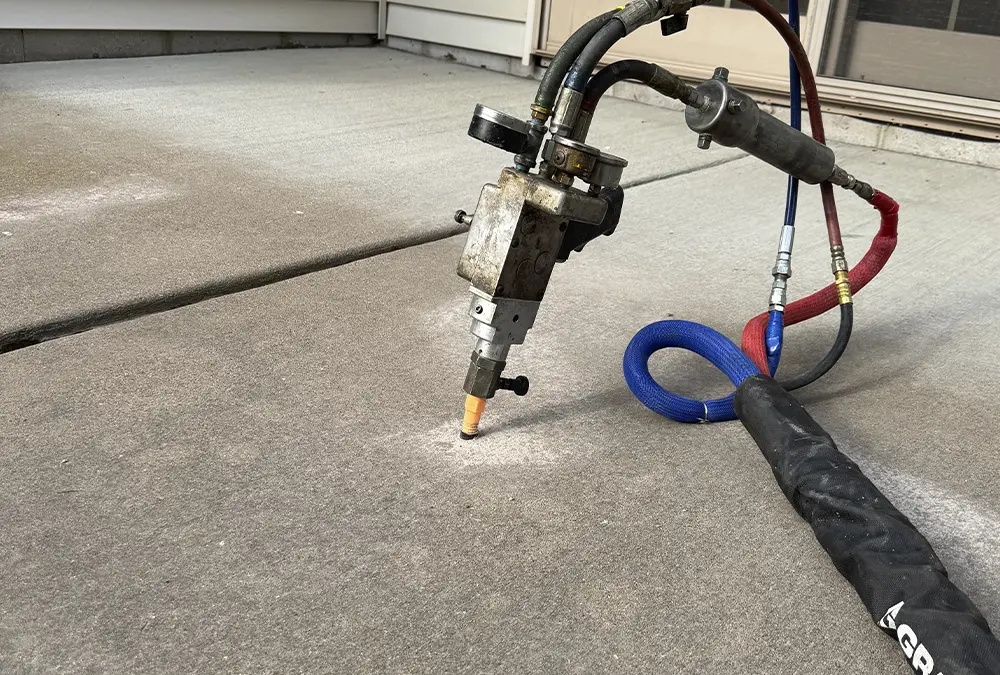
⅝″ ports minimize patch size and visual impact. Clean edges allow tight, durable patches.
Step 3 — Controlled Injection
High‑density polyurethane expands beneath the slab, fills voids, and restores elevation. Laser monitoring allows millimeter‑level adjustments at thresholds and transitions.
Step 4 — Patch, Seal, and Slope Check
Ports are patched flush and control joints sealed to keep water out. Crews confirm proper drainage away from structures after Concrete Leveling Repair.
Step 5 — Same‑Day Return to Service
In most cases you can walk or drive on the surface within minutes of completion.
What Good Looks Like (Quality Checklist)
- Documented before/after elevations
- Mapped port layout and lift sequence
- Proper foam density specified for loads
- Joints sealed the same day
- Drainage tuned (downspouts, grading)
- Clean site and tidy patches after Concrete Leveling Repair
Minnesota Climate Special Considerations
- Spring thaw: Watch for new voids as saturated soils consolidate.
- Summer heat + wind: Evaporation accelerates; schedule morning work for best results.
- Fall rains: Verify downspouts and slope before freeze.
- Winter windows: Some lifts are feasible inside heated spaces; outdoor work requires careful temperature planning.
Comparing Options Leveling vs. Replacement
| Factor | Concrete Leveling Repair | Full Replacement |
|---|---|---|
| Speed | Hours; same‑day use | Days to weeks (demo + cure) |
| Mess | Minimal drilling/patching | Demolition, forms, haul‑out |
| Weight Added | Negligible (foam) | Heavy new concrete |
| Cost | Typically 50–70% less | Highest |
| Sustainability | Extends life, less waste | Demolition debris, more materials |
For settled but structurally sound slabs, Concrete Leveling Repair wins on speed, cost, and disruption.
Preventive Moves That Pay Off
- Extend downspouts 6–10 ft from slab edges.
- Re‑seal control joints every 2–3 years.
- Avoid concentrating heavy loads in one spot.
- Inspect annually after snowmelt and major storms.
- Address landscaping that traps water against concrete.
When Not to Lift (And What to Do Instead)
- Active washouts or plumbing leaks: Fix water sources first.
- Full‑depth fractures with differential movement: Consider selective replacement.
- Expansive clay heave: Treat the soil problem and drainage before any lift.
- Severely deteriorated surfaces: Resurfacing or replacement may be safer after stabilization.
Real‑World Triggers to Call Today
- You measure a 1″ drop at your garage apron.
- Water consistently pools near steps or the foundation after rain.
- A sidewalk panel rocks underfoot or shows a clear trip edge.
- Doors, gates, or railings no longer align.
- You’re selling soon and need inspection‑ready surfaces.
Why Homeowners Prefer Foam Lifts
- Fast: Walk or drive the same day.
- Clean: Small ports; minimal patching.
- Accurate: Laser‑guided elevation control.
- Durable: Closed‑cell chemistry resists water and washout.
- Lightweight: Restores bearing without overloading weak soils.
Ready for a Safer, Smoother Surface?
If any of the signs above sound familiar, it’s time for Concrete Leveling Repair. Our approach combines precise diagnostics, mapped injections, and proactive drainage fixes so your slab looks better and stays stable longer. Schedule a quick assessment and get a clear plan, with timing, expectations, and pricing you can trust.
Explore more and book your appointment here for Concrete Leveling Repair.