Soil erosion is a natural process that occurs when wind, water, or human activity gradually wears away the top layer of soil. While this may seem like a slow and harmless process, it can have serious long-term consequences for the environment, construction sites, agriculture, and land stability. The most vulnerable areas are those where vegetation has been removed, where the land has been disturbed for development, or where poor land management practices exist.
In nature, soil erosion plays a role in shaping landscapes, but when accelerated by human activity such as deforestation, overgrazing, or unregulated construction—it becomes a major problem. Without a protective layer of plants or proper stabilization, soil becomes loose and is easily washed or blown away, weakening the structure of the land underneath.
How Does Soil Erosion Affect the Environment?
When soil erosion is left unchecked, it impacts ecosystems in several damaging ways. Nutrient-rich topsoil is lost, making it harder for vegetation to grow. This degradation leads to reduced agricultural productivity and loss of biodiversity. In watersheds, eroded soil ends up in rivers and streams, polluting water and disrupting aquatic life. Over time, these environmental effects can lead to desertification, increased flooding, and changes in local climate patterns.
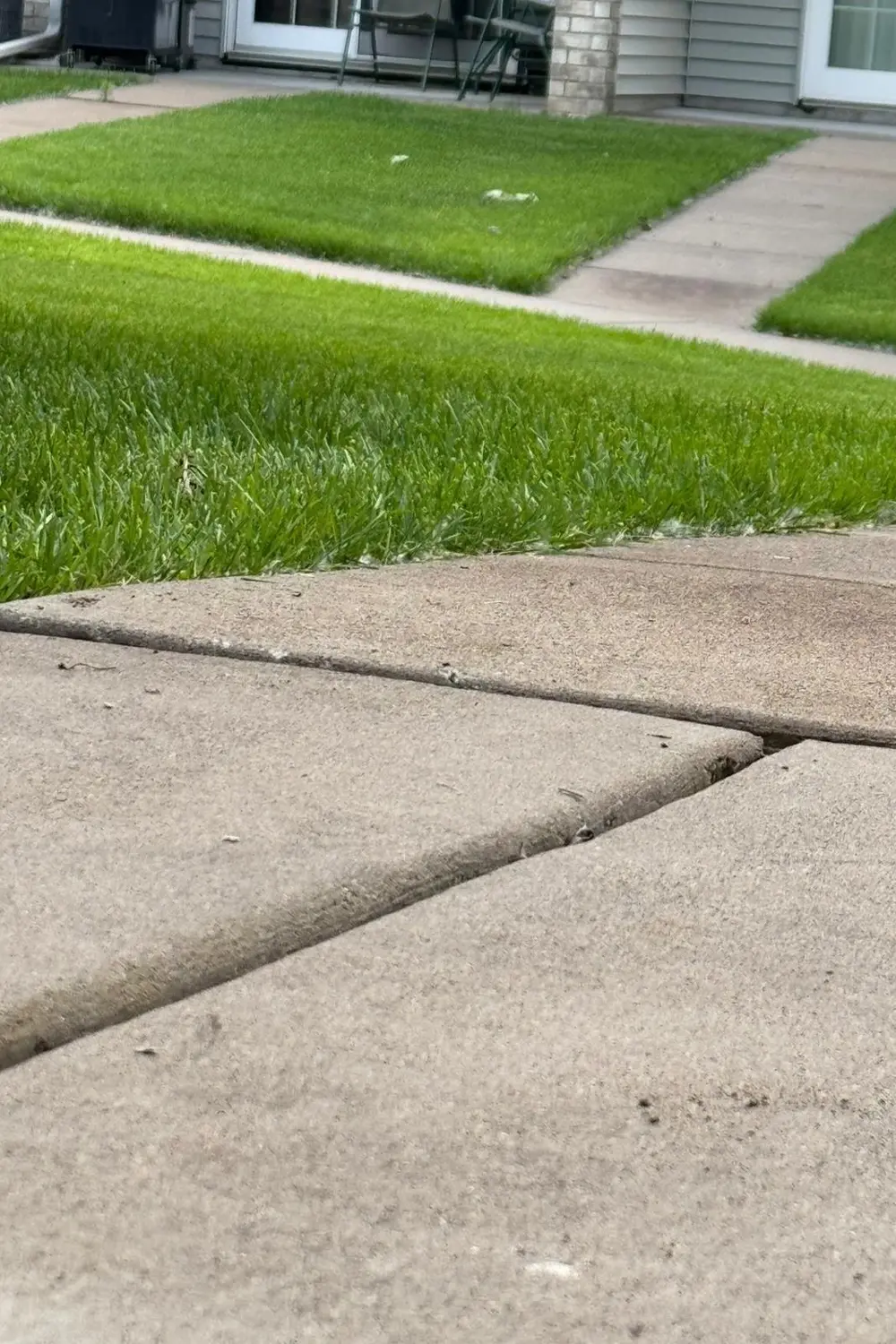
Moreover, soil erosion directly undermines infrastructure, especially roads, bridges, and buildings constructed on unstable land. This is particularly concerning for both rural and urban environments where land use is continuously expanding.
What Causes Soil Erosion?
The main causes of soil erosion include heavy rainfall, flooding, high winds, poor land management, and the removal of vegetation. On construction sites, the use of heavy machinery, exposure of loose soil, and lack of drainage systems contribute to accelerated erosion. In agricultural areas, practices like over-tilling, deforestation, and monoculture farming can severely damage soil structure and leave land vulnerable to erosion.
Understanding the causes of soil erosion is the first step toward addressing the problem, whether you’re managing a small farm, a large construction project, or your own backyard.
How to Prevent Soil Erosion on a Construction Site
Preventing soil erosion on a construction site requires planning and implementation of erosion control techniques. The key is to stabilize the soil before it is exposed to wind and water. This can be done by using mulch, installing silt fences, creating proper drainage channels, and quickly replanting or covering disturbed areas. Maintaining vegetation around the site is also crucial, as roots help bind the soil together and absorb water runoff.
Proper grading, slope management, and sediment control systems can also make a significant difference in preserving the integrity of the site. Contractors and site managers should integrate erosion prevention into the early planning stages to avoid costly repairs and environmental damage.
Which Is the Best Method for Preventing Soil Erosion in Agricultural Areas?
In agriculture, one of the best methods for preventing soil erosion is the use of cover crops. These plants protect the soil during off-seasons and improve its structure through organic matter. Other effective methods include contour farming, where planting follows the natural shape of the land, and terracing, which breaks long slopes into smaller steps to slow water runoff. Conservation tillage, crop rotation, and maintaining hedgerows also reduce erosion risk and improve soil health over time.
Choosing the best approach depends on the land’s topography, climate, and intended use, but the goal remains the same: keep the soil in place while maintaining its fertility and function.
How to Prevent Soil Erosion in General
Whether you’re protecting a residential property, a farm, or a commercial lot, preventing soil erosion starts with stabilizing the ground and managing water flow. Installing retaining walls, planting native vegetation, and building rain gardens or swales help absorb runoff and keep soil intact. Avoiding over-irrigation, compacting soil with heavy machinery, or removing ground cover without a plan can significantly reduce erosion risks.
Good erosion control not only protects your investment it also preserves the land for future use and helps maintain a balanced ecosystem.
Contact Us for Soil Stabilization Solutions
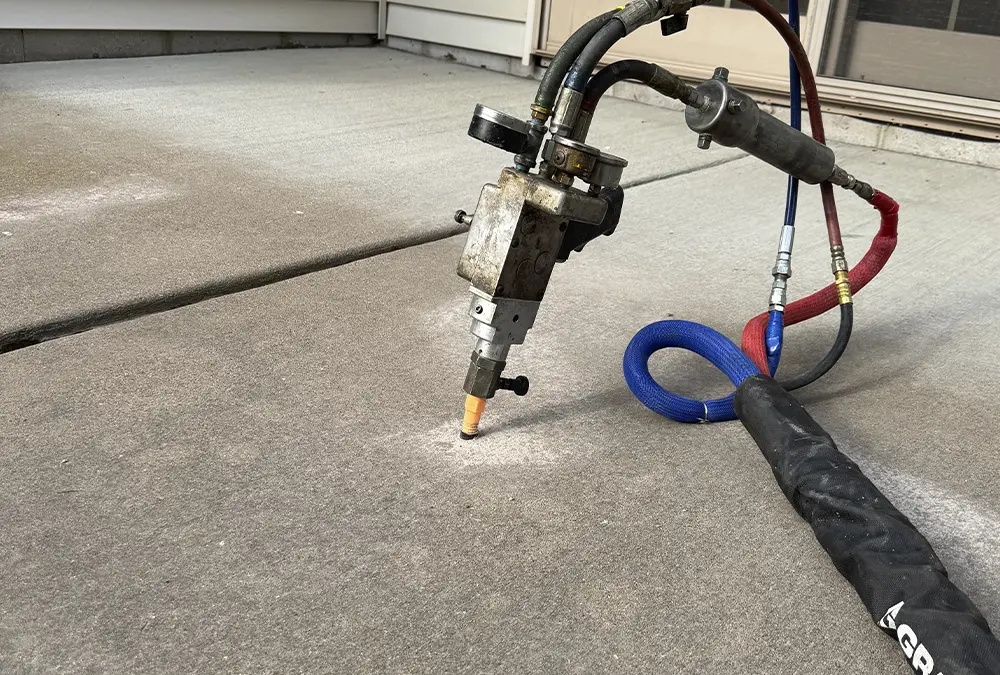
At Kaplan Concrete, we understand how critical soil stabilization is for the long-term success of any construction or landscaping project. If you’re facing erosion issues or planning a build that requires ground protection, our team offers tailored solutions using advanced techniques like polyjacking and concrete leveling. We’re here to help you safeguard your land and foundation with expert care.
Contact us today to schedule an evaluation and get the best strategies for your soil and concrete needs.