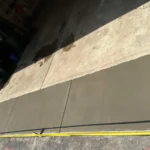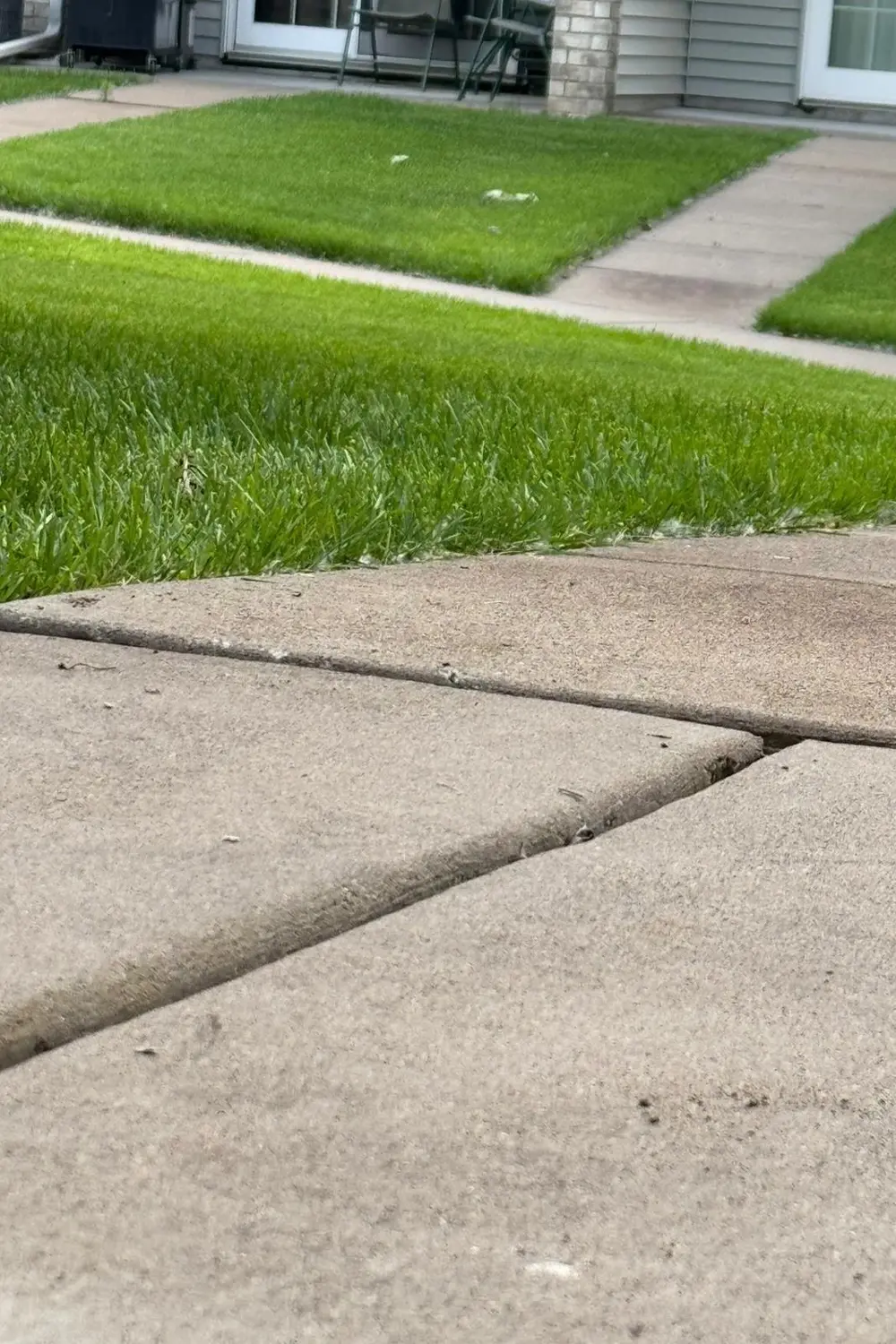

Water erosion is one of the most common causes of sunken or damaged concrete. When water finds its way underneath a concrete slab whether through poor drainage, plumbing leaks, or shifting soil it can wash away the support below. Over time, this hidden problem leads to uneven surfaces, cracking, and even structural instability.
If you’re noticing signs like hollow sounds when walking over a slab, sudden dips, or unexplained moisture, it’s important to act quickly. Water under your concrete is more than an inconvenience it’s a threat to your property’s safety and value.
Will Concrete Cure Under Water?
It’s a common question: Can concrete cure under water? Surprisingly yes ,concrete can technically cure when submerged, as it relies on a chemical reaction called hydration, not just air exposure. However, that doesn’t mean all concrete poured under wet conditions will perform well. Uncontrolled moisture, especially from water erosion, can weaken the mix, create voids, or wash out key ingredients.
For projects exposed to high water levels, special underwater concrete mixes and methods are used. But for standard residential or commercial slabs, excess water is usually a sign of trouble.
How to Find a Water Leak Under a Concrete Floor
Detecting a water leak under concrete is tricky without the right tools. Signs include wet or warm spots on the floor, higher water bills, mold growth, and foundation movement. Professionals often use thermal imaging, acoustic sensors, or pressure testing to pinpoint the leak location beneath the slab.
Left untreated, these leaks contribute to ongoing water erosion, compromising both the concrete and the surrounding soil. Early detection can prevent costly repairs later.
How to Fix a Water Leak Under Concrete
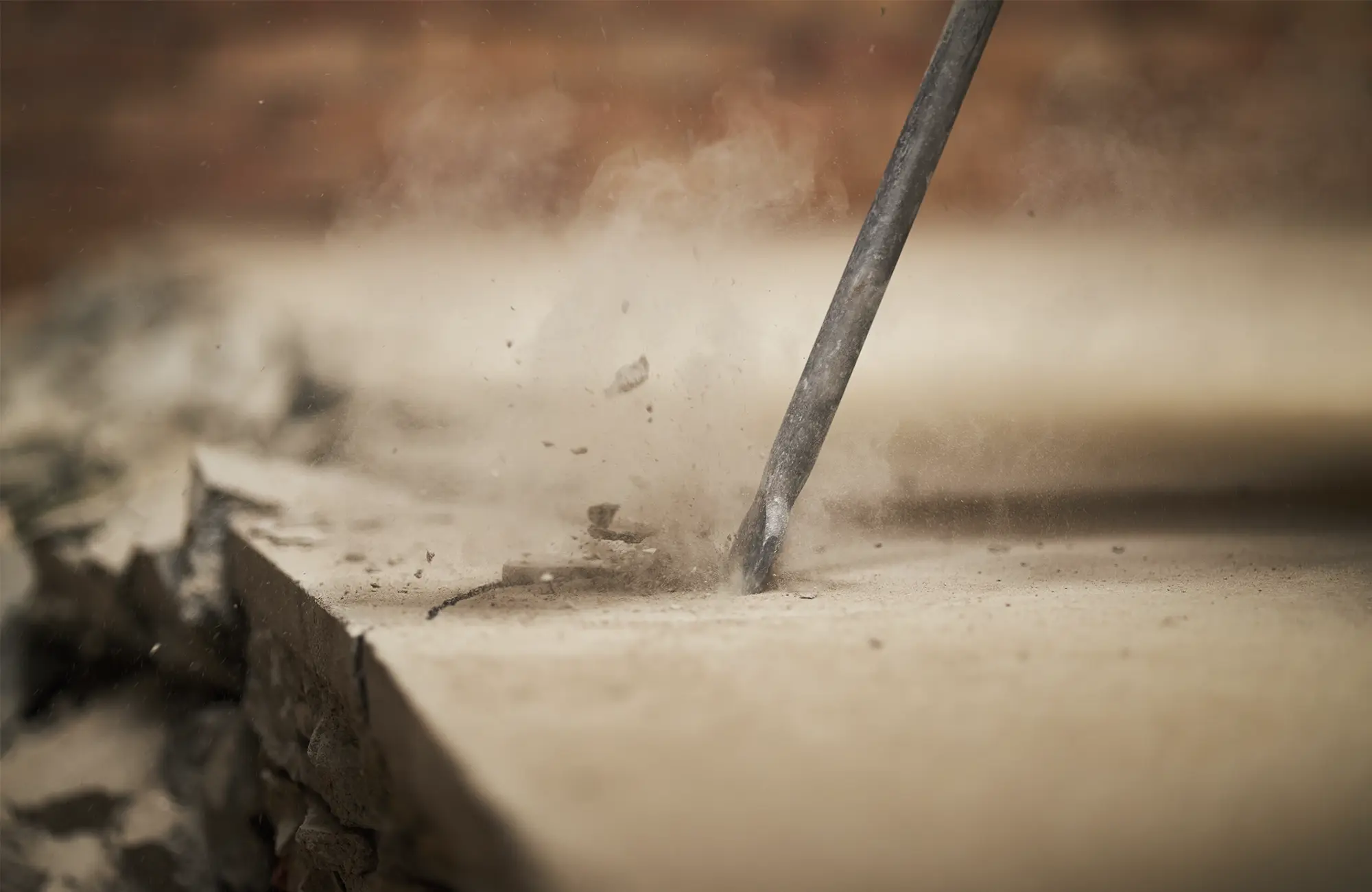
Once a leak is confirmed, the repair process depends on its severity and location. Some leaks can be resolved by rerouting plumbing lines, while others may require breaking through the concrete to access and replace the damaged pipe. After fixing the source, it’s crucial to stabilize the soil beneath the slab to avoid future settling.
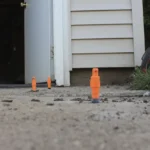
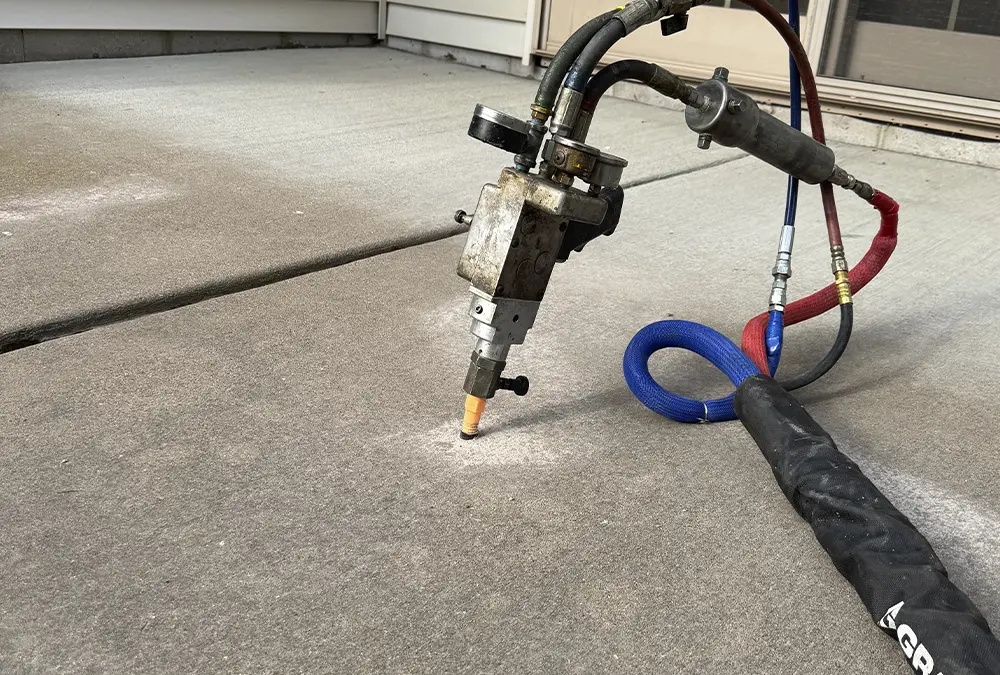
At Kaplan Concrete, we often use foam injection to fill any voids left behind by water erosion. This method lifts the slab back to its original position and strengthens the foundation without needing full replacement.
How Do They Pour Concrete Under Water?
Pouring concrete under water is usually reserved for bridges, dams, or underwater structures. In these cases, construction teams use techniques like tremie pipes or cofferdams to control the environment and ensure proper curing. The concrete used underwater is typically modified with anti-washout admixtures to maintain integrity despite submersion.
While it’s possible, it’s not standard for residential or commercial foundations and if water is involved in your slab situation, it’s likely a repair issue, not a design one.
How Long Does It Take for Concrete to Cure Under Water?
Underwater concrete takes roughly the same time to cure as concrete exposed to air about 28 days for full strength. However, achieving a strong cure under wet conditions depends heavily on the concrete mix, placement method, and control of environmental factors. Any contamination, rapid movement, or improper handling can lead to weak or unstable results.
That’s why moisture issues below existing concrete should always be addressed quickly to prevent water erosion from compromising structural performance over time.
Contact Kaplan Concrete for Water-Related Concrete Repair
If you suspect water erosion or a hidden leak is affecting your concrete slab, don’t wait. At Kaplan Concrete, we specialize in identifying voids, stabilizing soil, and lifting concrete through advanced foam injection technology. Our methods are non-invasive, fast-curing, and built to last.
Contact us today for a free inspection and get expert help before water causes further damage to your property.