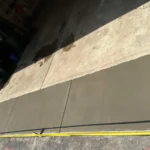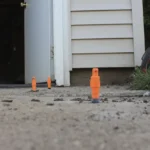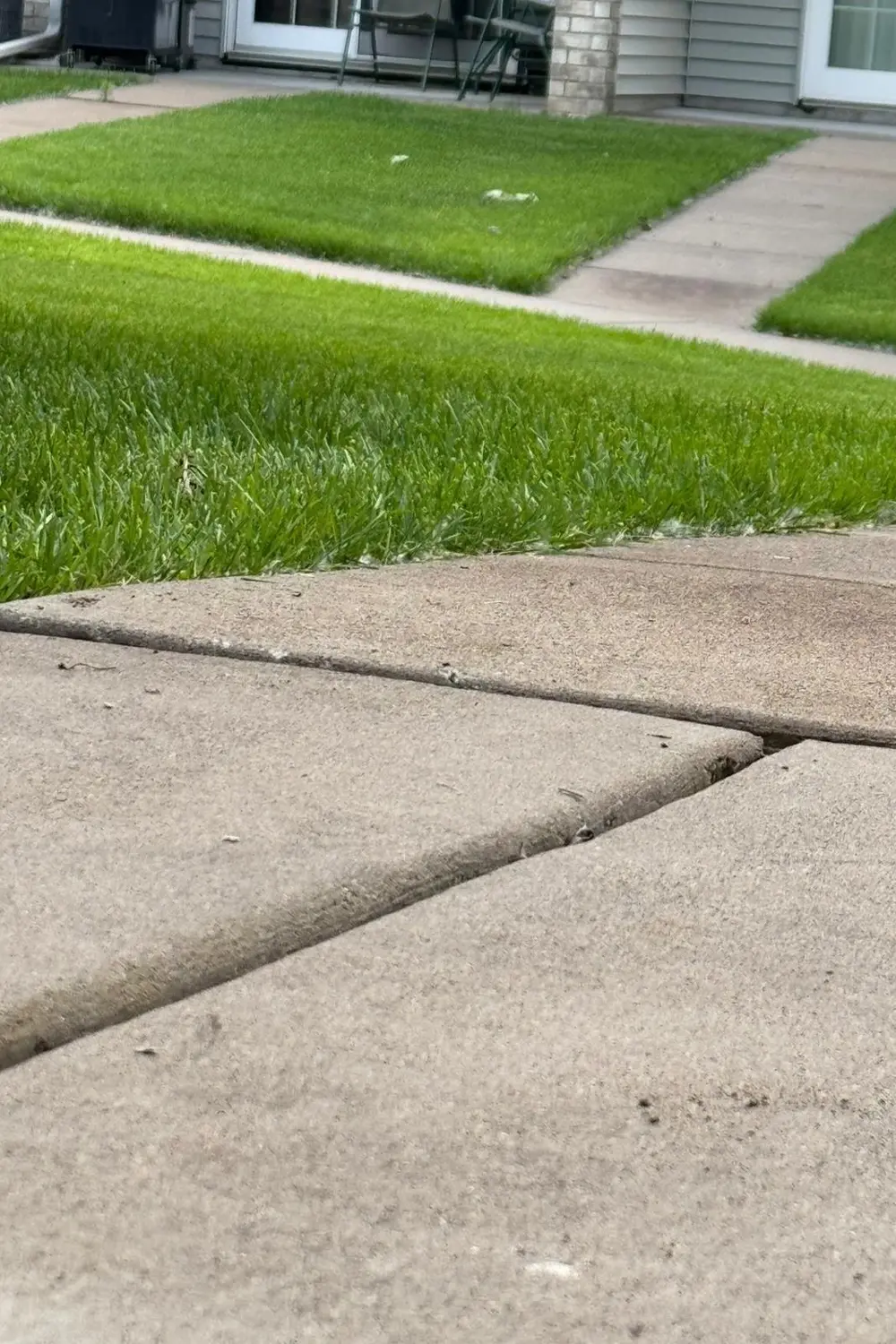
Over time, concrete driveways can crack, sink, or become uneven due to weather, soil erosion, poor installation, or simply wear and tear. These issues can reduce curb appeal, create tripping hazards, and even damage vehicles. While replacing the entire slab is one option, concrete driveway repair using modern techniques like foam injection or surface patching is often faster, more affordable, and just as effective.
If you’re noticing damage in your driveway, it’s important to understand your repair options before committing to a full replacement.
How to Repair a Concrete Driveway
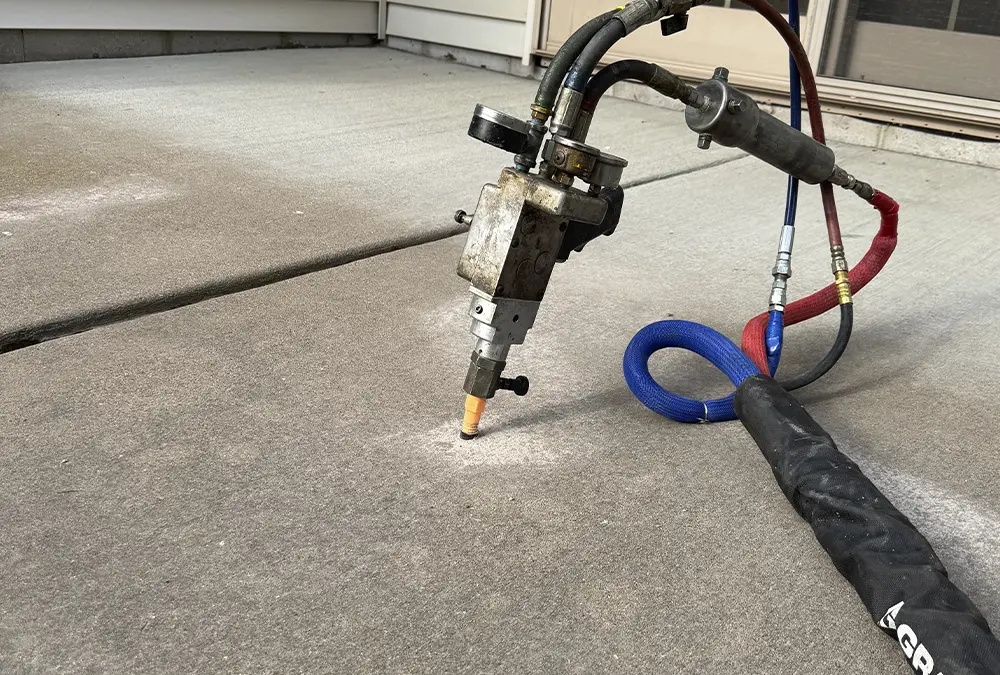
The best repair method depends on the severity and type of damage. For minor surface issues or small cracks, patching with concrete filler or resurfacing can restore the look and function of your driveway. For uneven slabs or larger issues caused by soil movement, methods like polyjacking injecting expanding foam underneath the slab to lift it are more appropriate.
Proper cleaning, surface preparation, and curing are essential steps to ensure repairs last.
Concrete Driveway Repair Fixing Cracks and Surface Damage
Cracks in concrete driveways are common, but not all of them require the same solution. The first step is to identify the type of crack and its cause.
Hairline vs Structural Cracks
Hairline cracks are small and typically caused by shrinkage as the concrete cures. These are mostly cosmetic and can often be sealed with crack filler. Structural cracks, however, are wider, deeper, and may indicate a more serious issue like soil erosion or slab movement. These require a more comprehensive approach to prevent further damage.
Materials You’ll Need
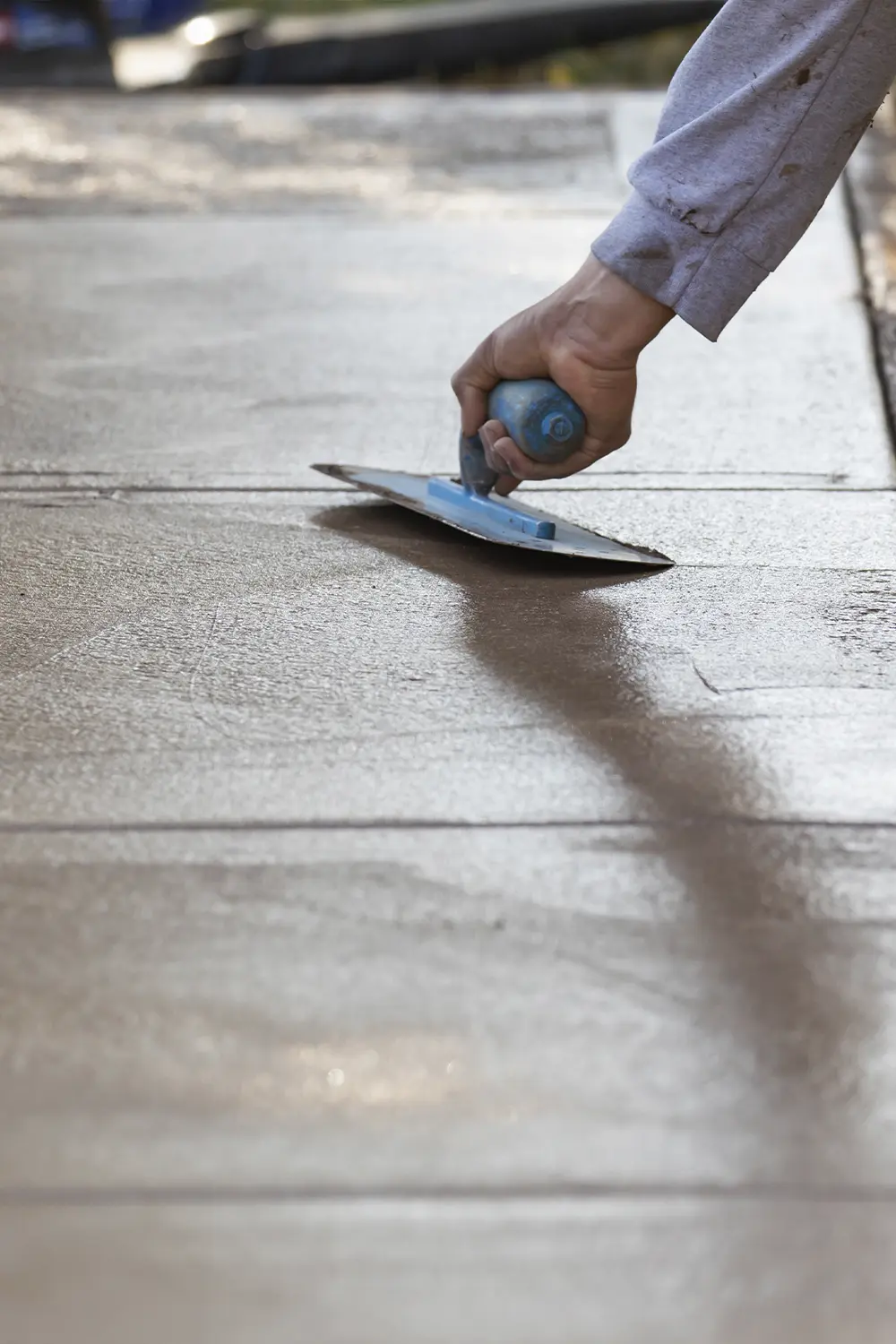
For basic repairs, materials include concrete crack filler, a trowel, caulking gun, and a concrete bonding adhesive. For more advanced repairs involving lifting, professionals use polyurethane foam for slab stabilization and leveling.
How to Repair Large Cracks in a Concrete Driveway
Large cracks need careful attention to prevent them from expanding and causing structural damage. These types of repairs often go beyond simple filler.
When to Call a Professional
If the crack is wider than a quarter-inch or shows signs of sinking, it’s best to consult a professional. DIY methods may temporarily cover the damage, but underlying issues like soil erosion or poor drainage can continue to affect the concrete.
Techniques for Deep or Wide Damage
Professionals may use routing and sealing methods, where the crack is widened slightly, cleaned thoroughly, and filled with a flexible sealant. In more severe cases, slab replacement or polyjacking may be necessary to restore level and stability.
How Much Does It Cost to Repair a Concrete Driveway
Understanding the potential costs helps homeowners plan better and avoid surprises.
Cost Factors Size, Severity, and Methods
The cost of concrete driveway repair depends on several variables: the extent of the damage, the repair method chosen, and the region. Minor crack repairs may cost between $100 and $300. Polyjacking or foam injection can range from $500 to $2,000, depending on the size of the affected area and depth of voids underneath.
Comparing DIY vs Professional Repair
While DIY solutions may seem cheaper upfront, they often lack durability. Professional repairs not only address surface issues but also correct underlying problems like unstable soil or water intrusion, offering a long-term fix that adds value to your property.
Talk to Kaplan Concrete About Your Driveway Repair Needs
At Kaplan Concrete, we specialize in concrete driveway repair using modern methods like polyjacking and foam injection to lift and stabilize damaged slabs. Whether you’re dealing with cracks, sinking, or uneven surfaces, our team provides fast, clean, and effective solutions tailored to your property.
Contact us today for a free evaluation and see how we can help extend the life of your driveway.