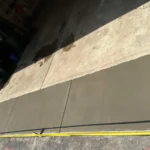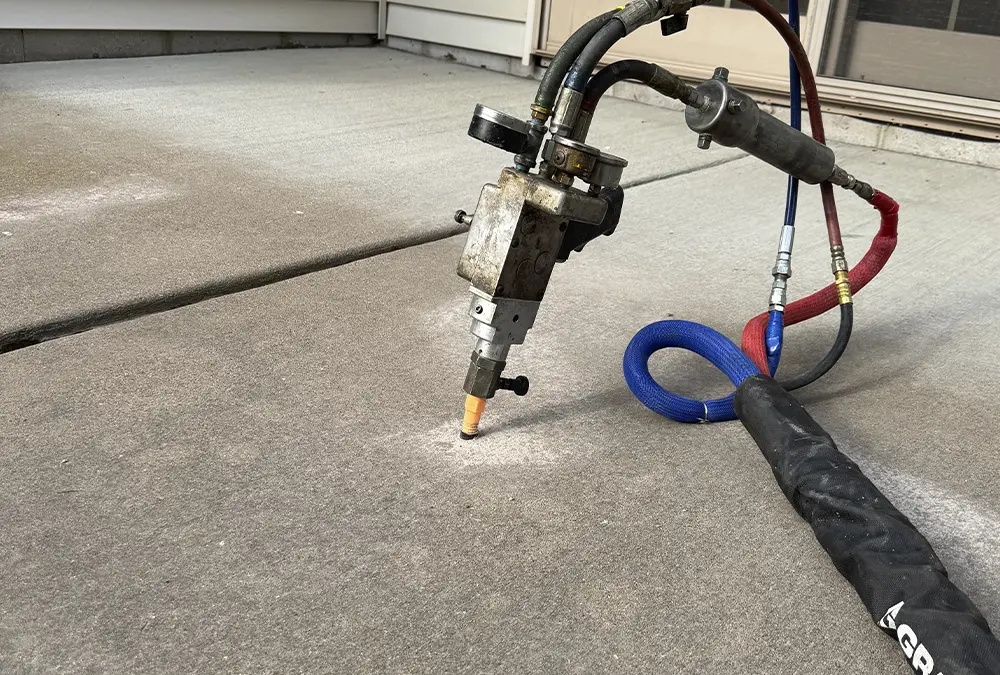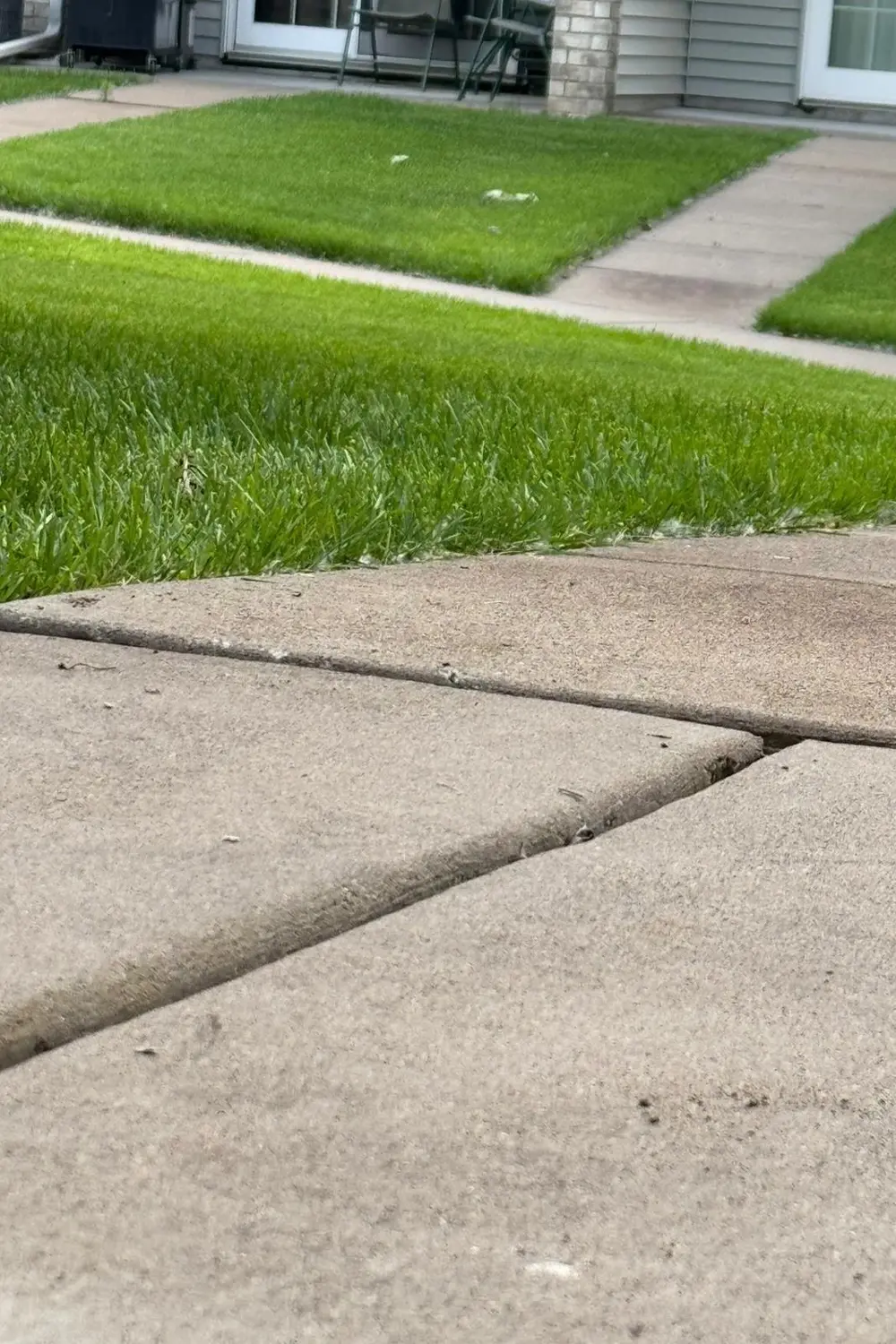
Mudjacking is a traditional method to lift sunken concrete by pumping a cement based slurry beneath the slab to raise it back to grade It can be a quick way to fill large voids under sidewalks driveways and patios In 2025 most markets still price Mudjacking on a per square foot basis with a minimum trip fee and adjustments for depth of lift access and finish requirements
Important Kaplan does not provide Mudjacking We explain it here so you can compare methods Our team focuses on small port foam lifts inside Concrete Lifting Services which many homeowners choose for cleanliness speed and long term stability
2025 price ranges for Mudjacking
- Typical per square foot range for Mudjacking in residential work sits in the low single digits to mid single digits depending on slab thickness and void depth
- Small localized lifts may fall near the low end while large slabs long cracks or deep voids move pricing higher
- Most contractors apply a minimum mobilization fee so very small jobs may price above the simple per square foot math
Examples to set expectations
These simple scenarios illustrate how 2025 pricing often maps to real projects Your actual quote will reflect void depth drilling count access and site protection
- Two sidewalk panels with a minor offset Short hose run light lift and straightforward patching The price typically reflects minimum fee plus a modest per panel amount
- A garage apron with a noticeable dip Requires more injection points more material and careful elevation at the threshold Expect mid range Mudjacking pricing
- A large patio with ponding near the house Variable depths across the slab more ports and more slurry lead to higher totals particularly if access is tight or landscaping must be protected
What drives Mudjacking cost beyond size
Depth of lift and void volume
A deeper lift requires more slurry and more time which increases cost Surface area alone rarely tells the whole story
Access and logistics
Tight side yards steps or delicate landscaping slow down production and add labor to protect finishes and route hoses
Finish requirements and visibility
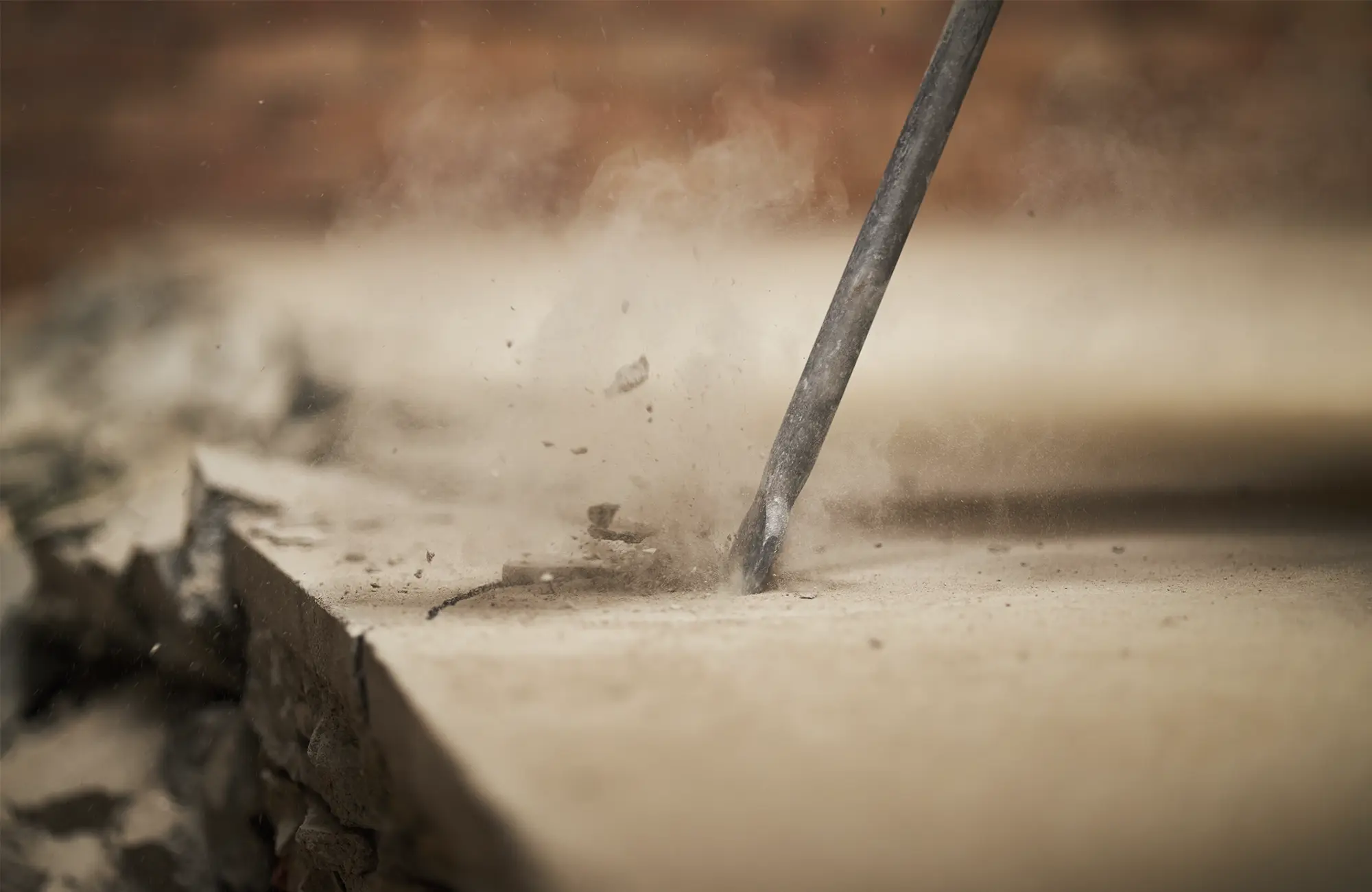
Because Mudjacking uses larger drill ports patches are bigger If the slab is stamped colored or highly visible additional finish work may be needed which affects cost
Moisture and soil conditions
Soft or saturated soils may have contributed to the settlement in the first place Adding heavy slurry on top of compromised soils can reduce longevity and change the true value of the repair over time
What a Mudjacking quote usually includes
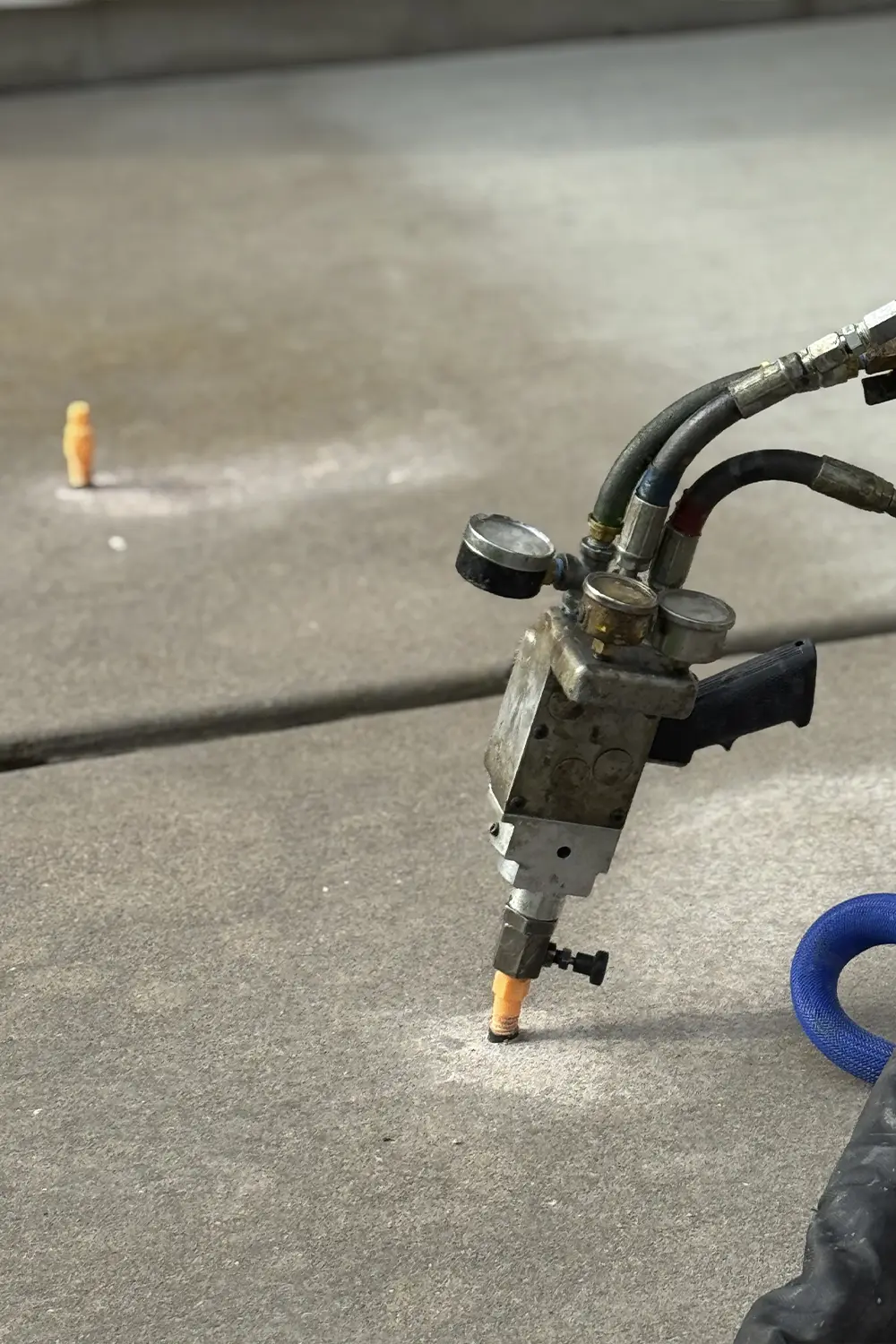
- Drilling larger diameter ports in mapped locations
- Pumping a cement soil sand slurry to fill voids and raise the slab
- Incremental lifting to target elevations
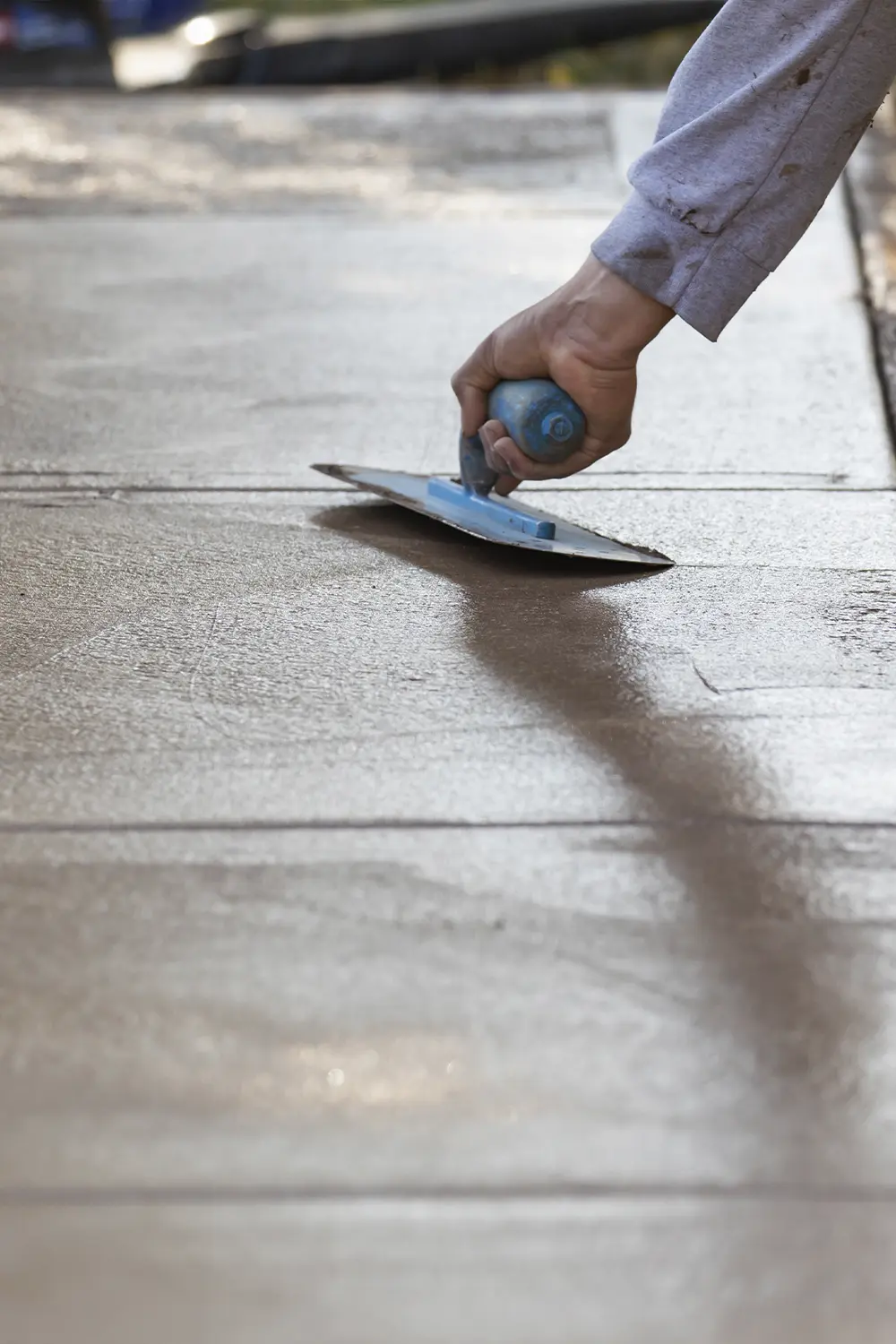
- Patching ports and basic site cleanup
Items that may be extra include control joint sealing crack sealing slope checks and simple drainage improvements Clarify these in writing so the investment holds up after the next rain and through freeze thaw cycles
Pros and limitations that affect the total cost picture
Mudjacking can be effective where large voids need high volume fill and finish aesthetics matter less It also remains a familiar technique across many markets However several limitations influence lifetime value
- Added weight on already weak soils can contribute to renewed settlement
- Larger patches are more noticeable on decorative surfaces
- Longer downtime may be required before driving or heavy use because slurry contains water
A subtle but important comparison foam lifts versus Mudjacking
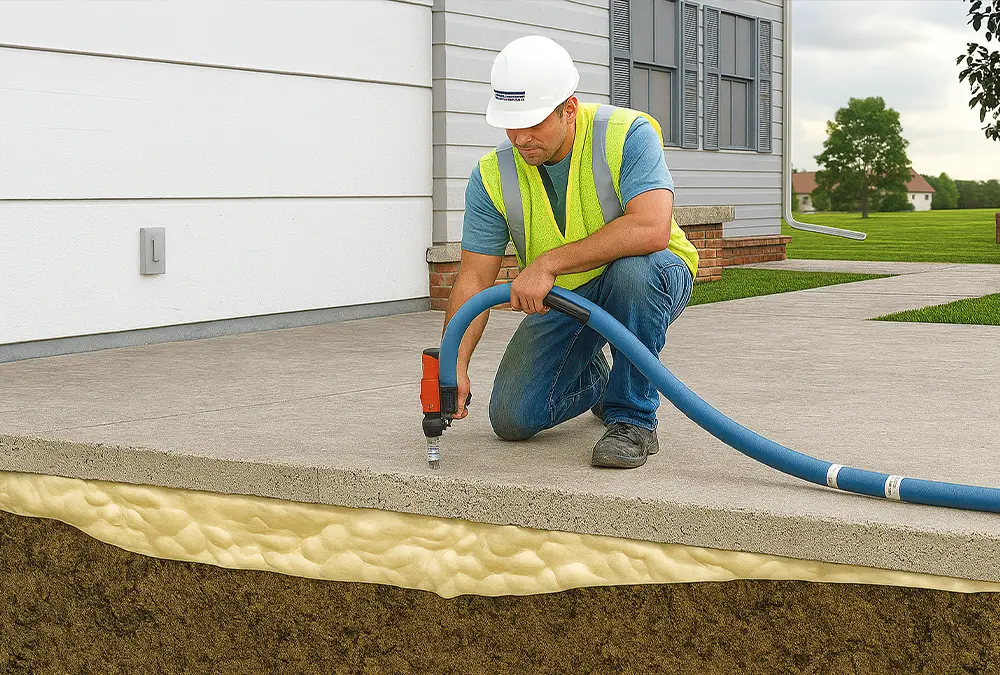
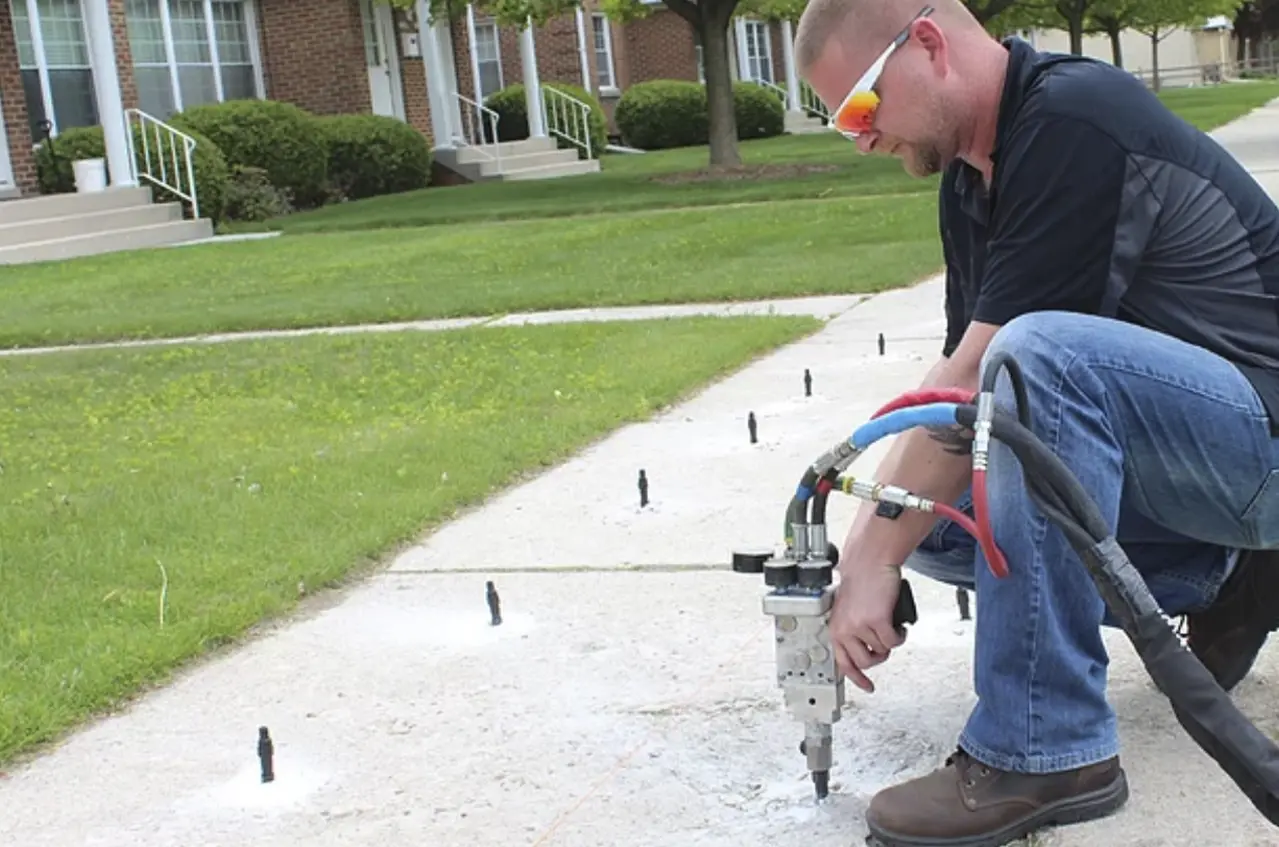
Modern foam lifting often called polyjacking uses closed cell polyurethane to fill voids and raise slabs through small injection ports The material is lightweight water resistant and reaches service strength quickly Homeowners notice cleaner patches faster return to service and precise control at doors steps and transitions While per square foot pricing is typically higher the overall project value can improve when you account for appearance downtime and long term stability
If you want to evaluate a foam based plan sized to your slab see Concrete Lifting Services You will receive an assessment with mapped injection points before and after elevations and simple water management recommendations
How to compare bids without surprises
- Ask for a lift map with planned port locations and a note about expected depth of lift
- Confirm whether joint sealing and basic drainage corrections are included
- Clarify expected downtime before walking and before driving
- Review patch size and appearance especially on stamped or colored concrete
- Request before and after elevation records and a simple maintenance plan
When does Mudjacking make sense and when to consider foam
Mudjacking can be reasonable for a handful of sidewalk panels or spots with very large voids where budget demands the lowest upfront price For saturated soils decorative surfaces or areas that require same day access a foam lift is often the better fit thanks to lighter weight smaller ports and fast return to service
Final word know your numbers then choose the best value
Understanding 2025 Mudjacking pricing helps you weigh the true cost of your repair beyond a simple dollar per square foot comparison If you want a tidy site quick turnaround and durable elevations explore a small port foam lift through Concrete Lifting Services and compare outcomes side by side
Ready to talk through your project and timing Contact us for a quick assessment and a clear scope that fits your property